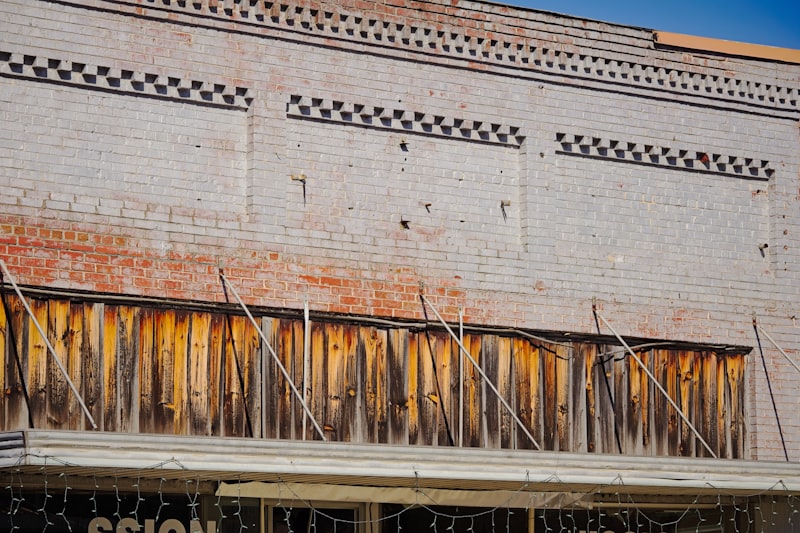
Thoughtful interventions that preserve character while reimagining purpose.
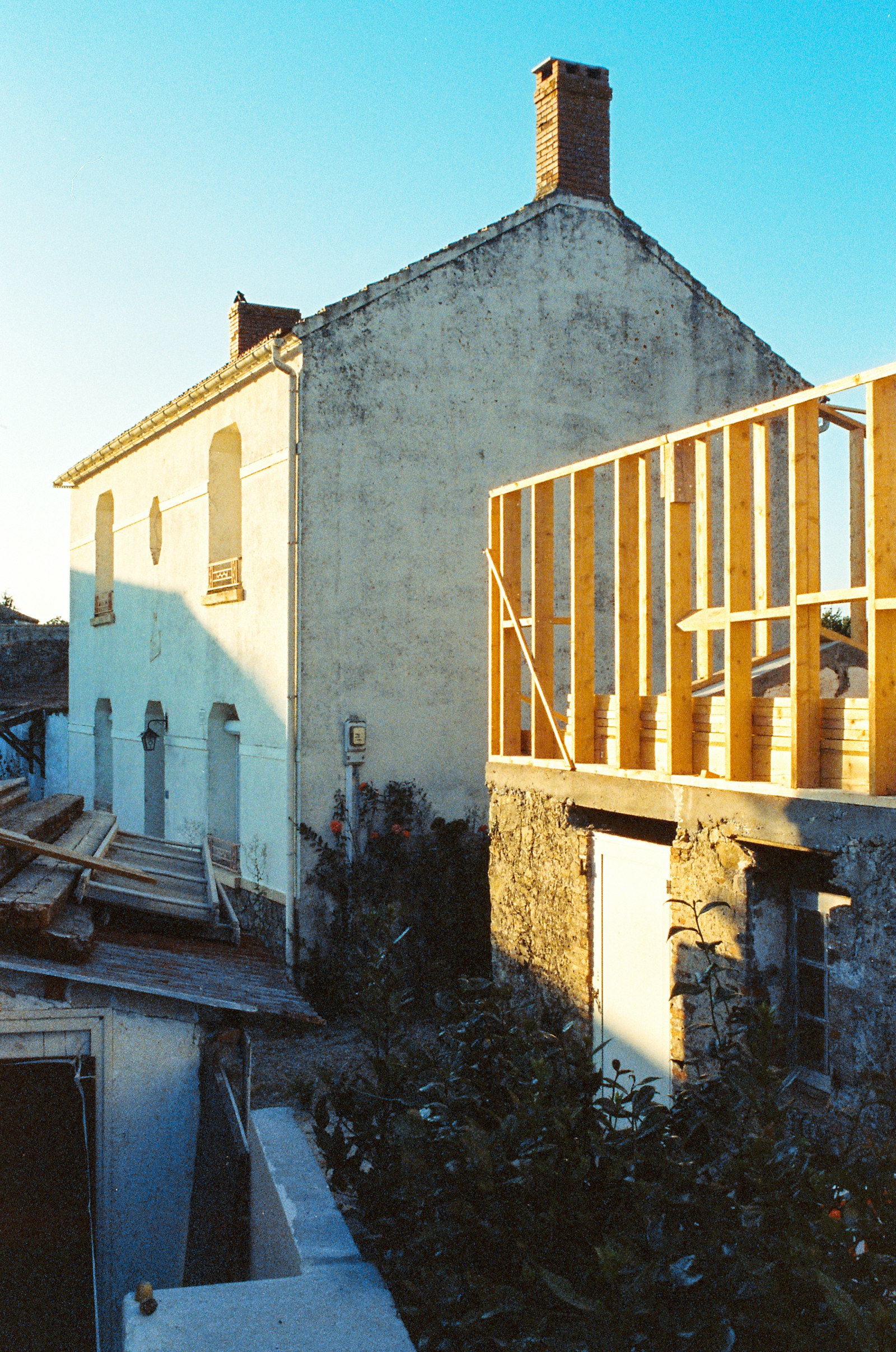
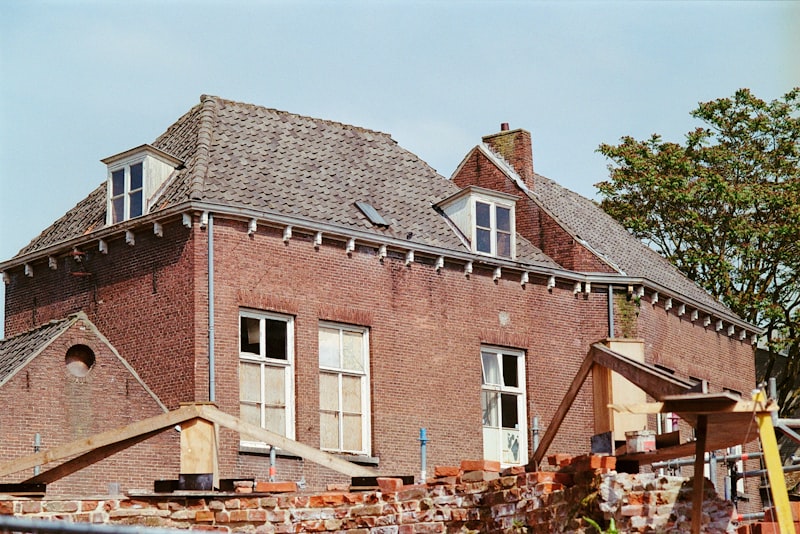
Every existing building carries stories in its walls — the hand of the original craftsman, the patina of decades, the logic of a particular moment in design history. Our renovation practice begins with deep respect for these narratives, reading each structure as a text before proposing any intervention.
Adaptive reuse is architecture at its most responsible. Whether transforming a Jerome copper-era mercantile into an artist's studio or reimagining a mid-century ranch house for multi-generational living, we approach every project as a dialogue between past and present — letting the building's existing character inform, rather than constrain, its future.
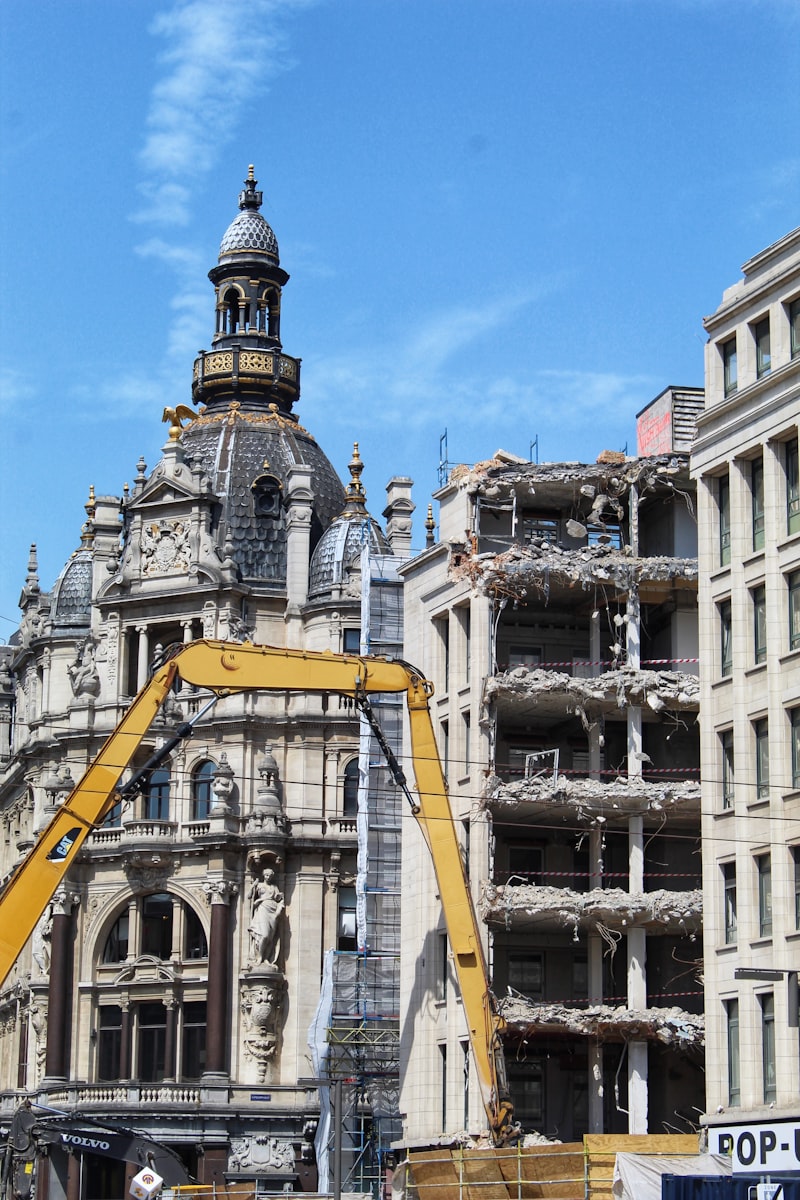
The result is architecture that feels both rooted and renewed. We blend old and new with sensitivity, using contemporary materials and systems to extend a structure's life while amplifying the qualities that made it worth preserving in the first place. The seams between eras become the most interesting part of the story.
Comprehensive documentation and analysis of the current structure, systems, materials, and spatial organization.
Navigation of historic registers, SHPO coordination, tax credit applications, and preservation easement compliance.
Collaboration with structural engineers to assess load-bearing capacity, seismic upgrades, and reinforcement strategies.
Bringing existing structures into compliance with current building codes, ADA requirements, and life-safety standards.
Sourcing period-appropriate materials and finishes, matching existing masonry, millwork, and hardware with precision.
Upgrading HVAC, electrical, plumbing, and insulation to modern performance standards while minimizing disruption to historic fabric.
Designing sympathetic additions that complement the existing structure's scale, rhythm, and material vocabulary.
On-site oversight throughout the construction phase, managing the unpredictability inherent in working with existing buildings.
Adaptive Reuse 2,400 SF Jerome, AZ 2023
A former copper-era mercantile transformed into a working artist's studio and gallery. Original stone walls and timber framing were preserved while a modern steel-and-glass mezzanine was inserted to create flexible exhibition space above the open workshop floor.
View ProjectRenovation 3,800 SF Cottonwood, AZ 2024
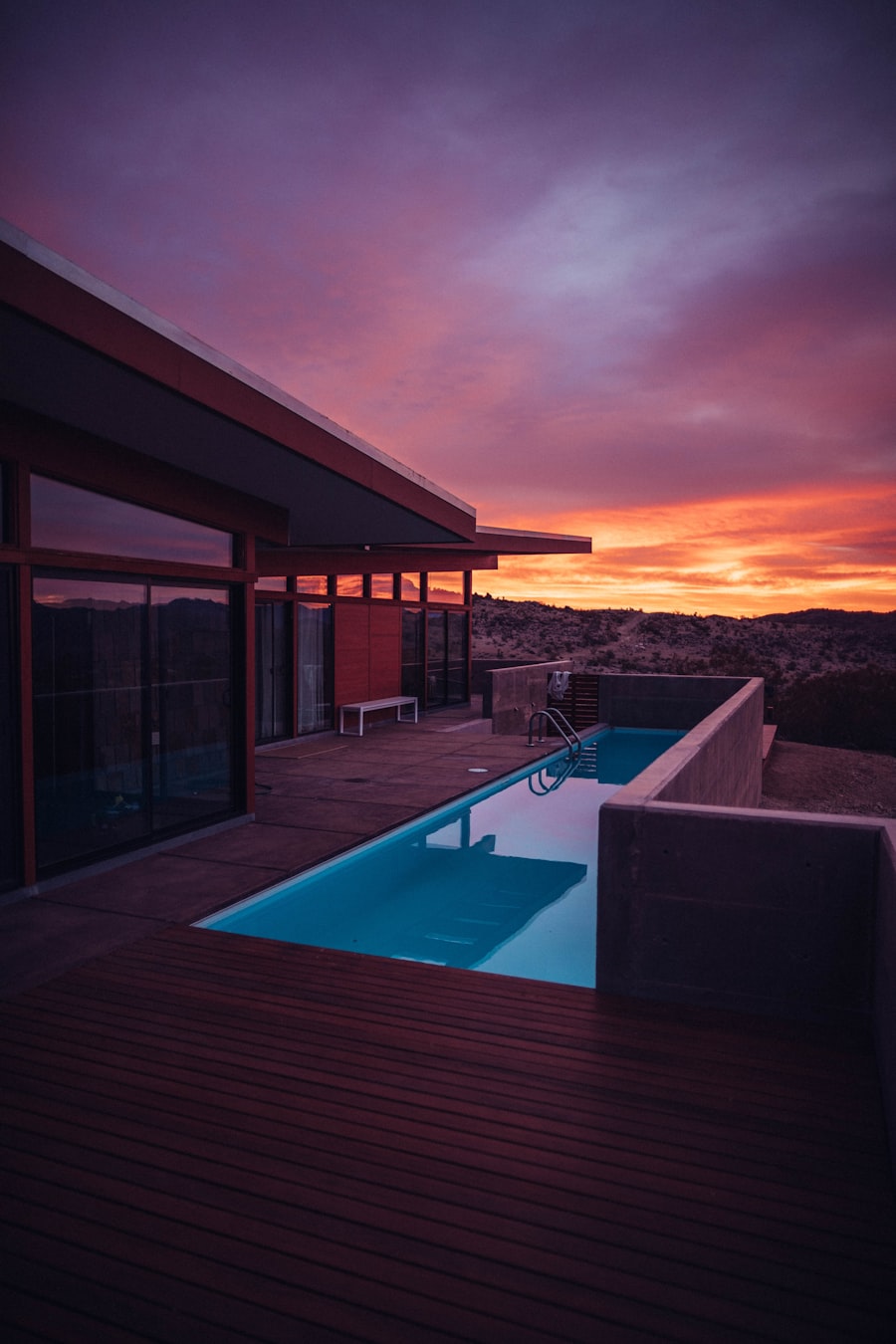
A 1970s ranch house reimagined for multi-generational desert living. We preserved the home's generous proportions and post-and-beam structure while opening sight lines to the surrounding cottonwood groves and introducing passive cooling strategies.
View ProjectAdaptive Reuse 4,600 SF Prescott, AZ 2024
An abandoned 1940s auto garage converted into a boutique restaurant and bar. The original concrete structure and roll-up doors were retained, creating an indoor-outdoor dining experience that celebrates the building's industrial past.
View Project“The most sustainable building is the one that already exists.”
Working with existing structures raises unique questions. Here are answers to the ones we hear most often.
Historic designation creates a framework, not a cage. While National Register listing and local landmark status impose review requirements on exterior changes, they rarely prevent thoughtful renovation. In many cases, designation unlocks significant financial incentives — including federal and state historic tax credits of 20–25% — that can substantially offset project costs. We navigate the review process with preservation officers regularly and design interventions that satisfy both the Secretary of the Interior's Standards and our clients' contemporary needs.
It depends on scope, but renovation often costs 10–30% less than equivalent new construction because the primary structure — foundation, walls, and roof — already exists. However, renovation comes with unpredictability: hidden conditions, legacy materials like asbestos, and non-standard framing can add costs. We mitigate this through thorough existing-conditions assessments and phased budgeting with contingencies typically set at 15–20%. When historic tax credits apply, the financial case for renovation becomes even stronger.
Structural surprises are common in renovation work, which is why we conduct invasive assessments early in the design phase — opening walls, testing foundations, and probing key connections before finalizing the design. Our structural engineering partners specialize in existing buildings and are accustomed to developing creative reinforcement solutions that minimize visual impact. We also build contingency budgets specifically for unforeseen conditions, so discovering a deteriorated beam or inadequate footing doesn't derail the project timeline or budget.
Most renovation projects take 6–18 months from initial assessment through completion, depending on scope and complexity. A straightforward residential renovation might complete in 6–9 months, while a full adaptive reuse of a commercial or historic structure — especially one requiring preservation review — typically runs 12–18 months. The design phase generally takes 3–5 months, with construction following. Projects involving historic tax credits add 4–8 weeks for the review and certification process.
Whether you're restoring a historic landmark or transforming a legacy building for a new chapter, it starts with a conversation about what's possible. Schedule a consultation to explore your project.
Schedule Consultation